How Restaurant SEO is Breaking: Google Search, AI Results, and What Smart Restaurants Must Do Next

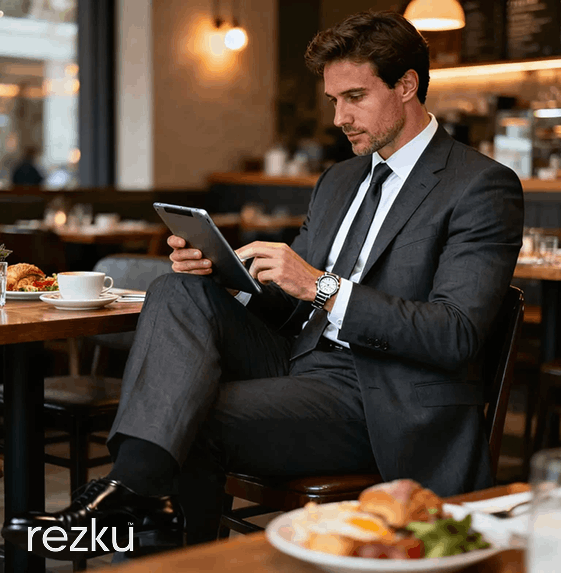
How modern SEO changes impact destination dining, attractions, and experience-driven venues
Google search is no longer just a list of blue links.
In 2025, AI-powered search results—summaries, recommendations, and conversational answers—sit between your customer and your website. For restaurants that operate as destinations rather than convenience food, this changes the game.
If you’re running a concept people make a special trip for—chef-driven dining, immersive bars, live-fire kitchens, breweries, tasting rooms, themed venues—traditional “local SEO” alone is no longer enough.
The question isn’t “How do we rank?”
It’s “How do we become the source Google’s AI chooses to trust?”
This article breaks down what’s actually changing—and what rational, revenue-driven operators should do about it.
The Big Shift: From Search Results to AI Answers
Google is increasingly answering queries for users instead of sending them to websites.
When someone searches:
-
“Best chef-driven restaurants worth traveling for”
-
“Unique dining experiences in Northern California”
-
“Restaurants with live music, tasting menus, and private dining”
Google’s AI synthesizes answers from:
-
Websites
-
Structured data
-
Reviews
-
Event listings
-
Images
-
Menus
-
Social proof
-
Authority signals
If your restaurant isn’t clearly understood by machines, you don’t exist in these answers—even if humans love you.
Change #1: SEO Is Now About Being Described, Not Just Found
AI search doesn’t just look for keywords.
It looks for clear, consistent descriptions of what you are and who you’re for.
For destination restaurants, vague positioning is fatal.
What breaks now
-
“Upscale restaurant with a great atmosphere”
-
“Craft cocktails and elevated dining”
-
Generic homepage copy written for humans but not clarity
What works now
Specific, repeatable, machine-readable language:
-
“Live-fire, wood-grilled steakhouse with seasonal tasting menus”
-
“Brewery and kitchen hosting weekly ticketed events and collaborations”
-
“Immersive cocktail bar inspired by 1920s jazz culture”
What to do
-
Rewrite core website pages with explicit experience framing
-
Ensure your homepage, About page, and menu pages all reinforce the same positioning
-
Describe:
-
Why someone would travel to you
-
What makes the experience distinct
-
Who it’s best for (groups, dates, food tourists, events)
-
If AI can’t summarize you in one clean sentence, you’re invisible.
Change #2: AI Pulls Authority From More Than Your Website
Google’s AI cross-references everything.
That means inconsistencies kill trust.
What Google cross-checks
-
Google Business Profile
-
Website content
-
Reviews (especially detailed ones)
-
Event platforms
-
Menu aggregators
-
Social content metadata
-
Press mentions
If your website says one thing, reviews say another, and your Google profile is generic—AI defaults to safer competitors.
What to do
-
Audit your digital footprint for message alignment
-
Update Google Business Profile categories and descriptions to match your positioning
-
Encourage reviews that mention:
-
Experiences
-
Events
-
Atmosphere
-
Reasons people traveled to you
-
These phrases train AI how to describe you.
Change #3: Experiences Outperform Menus in AI Discovery
For destination dining, menus alone don’t convert AI-driven searchers.
AI favors:
-
Events
-
Experiences
-
Visual proof
-
Social validation
A menu is static. An experience is memorable—and machine-readable across platforms.
What works now
-
Event pages (chef’s tables, tastings, live music, collaborations)
-
Seasonal landing pages
-
Image-heavy content tied to specific experiences
-
Clear schema markup for events, menus, and locations
What to do
-
Create indexable pages for major experiences
-
Treat events like SEO assets, not just social posts
-
Upload fresh photos tied to specific moments, not just dishes
If AI can’t see the experience, it won’t recommend it.
Change #4: “Near Me” Still Matters—But It’s Not the Whole Funnel
Yes, “near me” searches still convert.
But for higher-ticket, experience-driven venues, discovery often starts earlier:
-
Trip planning
-
Date-night research
-
“Worth the drive” queries
-
Group and event planning
AI search now surfaces restaurants before geography becomes the filter.
What to do
-
Build content for:
-
“Worth traveling for”
-
“Best for special occasions”
-
“Unique dining experiences”
-
-
Combine local SEO with intent-based SEO
-
Measure success by:
-
Direction requests
-
Save/bookmark behavior
-
Event page traffic
-
Branded search growth
-
Why This Matters Financially
AI search compresses the funnel.
Customers show up:
-
More informed
-
More decisive
-
More ready to spend
But only if Google’s AI understands why you’re special.
Restaurants that adapt:
-
Attract higher-value guests
-
Reduce reliance on paid ads
-
Win before the customer compares options
Restaurants that don’t:
-
Become interchangeable
-
Compete on price and proximity
-
Lose visibility without realizing why
Practical Action Plan for Sophisticated Operators
Focus on what you can control:
-
Clarify positioning
- One sentence that defines your experience
-
Align every platform
- Website, Google, reviews, events
-
Create experience-based content
- Not just menus
-
Use visuals strategically
- Photos tied to moments and atmosphere
-
Encourage descriptive reviews
- Experiences > stars
-
Track intent signals
- Not just traffic
This isn’t about gaming Google.
It’s about helping AI confidently recommend you.
Bottom Line
Google didn’t kill restaurant SEO. It raised the bar. If your restaurant is worth the trip, your marketing needs to prove it—to humans and to AI.
As search and discovery continue to evolve, having a POS partner with an up-to-date web and ordering stack matters. Rezku includes restaurant website and online ordering tools that help independent operators stay visible, adaptable, and in control—without relying on bolt-on systems or third-party workarounds.
Frequently Asked Questions
Q: Is traditional SEO still relevant for restaurants?
Yes—but it’s no longer sufficient. Rankings matter less than being cited, summarized, and recommended by AI-powered results. SEO now supports AI discovery rather than existing on its own.
Q: Do destination restaurants still need Google Business Profile optimization?
Absolutely. Google Business Profile is a primary trust signal for AI search. It confirms legitimacy, relevance, and consistency—even for non-local discovery queries.
Q: How important is content if AI answers the question for users?
Content is more important than ever. AI answers are built from content. If your site doesn’t clearly explain your experience, AI will source competitors who do.
Q: Should we still invest in blog content?
Yes, but only if it supports positioning, experiences, and authority. Generic “restaurant tips” content is far less valuable than experience-driven, intent-focused pages.
Q: How often should restaurants update content now?
Quarterly is a practical baseline for destination concepts. Seasonal updates, events, and fresh visuals all reinforce relevance signals to AI systems.
Is Rezku the POS system you’ve been searching for?
Get a custom quote and start your free trial today.
Related Posts