How to Keep Your Restaurant from Closing Permanently


How to Keep Your Restaurant from Closing Permanently: Survival Strategies Backed By Data
Every restaurant owner has seen it happen before. A place with great food, a loyal staff, and a decent location quietly shuts its doors. And it wasn’t because of anything obviously wrong or lack of heart from the owner.
Now there’s nothing left but broken dreams, a handwritten sign on the door and a Google listing marked “Permanently Closed.”
The uncomfortable truth is this: restaurants don’t usually fail because of one big mistake. They fail because of a series of small, unmanaged problems that compound over time.
According to industry research, roughly 30% of restaurants close within their first year, and nearly half don’t make it past five years. The difference between survival and closure usually comes down to whether owners recognize the real risks early—and act on them.
Below are the most common, research-backed problems that push restaurants toward permanent closure, and what you can do to stop them before they spiral.
Problem #1: Cash Flow Erosion (The Silent Killer)
Most restaurants don’t close when sales drop to zero. They close when cash flow becomes unpredictable.
Margins in foodservice are thin—often 3–5% in good conditions. That leaves very little room for:
-
Rising ingredient costs
-
Slow weeks
-
Equipment failures
-
Payroll spikes
Solution 1: Make Cash Flow Visible (Weekly, Not Monthly)
Restaurants that survive treat cash flow as a weekly operating metric, not a quarterly accounting exercise.
What helps:
-
Tracking food cost %, labor %, and sales weekly
-
Identifying margin leaks early (waste, comps, underperforming menu items)
-
Using POS reporting to see trends before they turn into emergencies
Visibility gives you options. Waiting until the bank balance forces decisions removes them.
Solution 2:
With lenders like Rezku Capital, disruptions in cashflow can be smoothed out. Rezku offers short term loans to help you with expenses like - An unexpected repair
-
To make payroll
-
To help with remodel
-
Buy equipment
Rezku Capital is conveniently available to qualified Rezku POS customers.
Problem #2: Labor Costs and Turnover Eating the Business Alive
High turnover doesn’t just hurt morale—it destroys consistency and profitability.
When staff churns:
-
Training costs increase
-
Service quality drops
-
Managers spend more time firefighting than improving the business
Restaurants with inconsistent staffing struggle to deliver predictable guest experiences, which leads to weaker reviews and fewer repeat visits.
Solution: Systematize, Don’t Personalize
Restaurants that reduce labor risk focus on systems, not depending on heroes:
-
Standardized training and SOPs
-
Sales-based scheduling instead of intuition
-
Clear roles and expectations for both FOH and BOH
When staff know what “proper” looks like—and are provided with the tools they need—service improves naturally as chaos is reduced. With chaos tamed, retention also naturally improves.
Problem #3: Inventory Waste and Poor Cost Controls
Food waste is one of the least visible threats to restaurant survival—and one of the most damaging.
Spoilage, over-portioning, and mistakes quietly drain cash reserves every week. Many operators don’t notice until margins are already gone.
Solution: Tie Inventory Directly to Sales Data
Restaurants that stay profitable:
-
Track inventory in real time
-
Use sales data to forecast ordering
-
Identify low-velocity items that tie up cash
Inventory control isn’t about being cheap. It’s about protecting working capital.
Use integrated inventory systems that allow ingredient-level tracking, like that available in Rezku. These systems allow you to discover waste and determine if it’s from cutting or from theft.
Problem #4: Inconsistent Execution That Breaks Trust
Guests will forgive a mistake. They won’t forgive unpredictability.
If one visit is great and the next is disappointing, customers stop returning—and they tell others why.
This inconsistency is a leading contributor to negative reviews, which directly impacts discovery and foot traffic.
Solution: Build Consistency Into the Operation
Surviving restaurants:
-
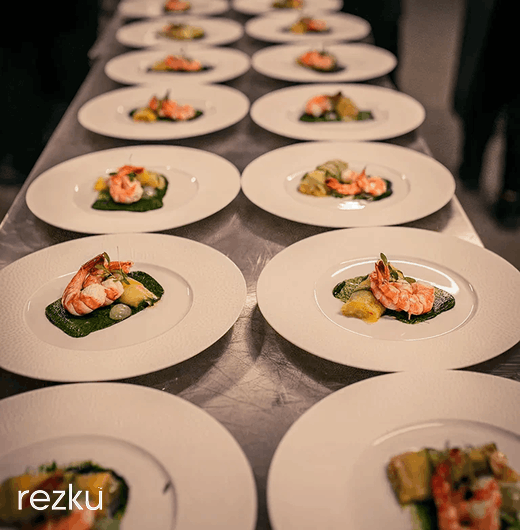
Standardize plating, prep, and service expectations
-
Use checklists during prep and rushes
-
Train staff how to recover when things go wrong
Consistency is what turns first-time guests into regulars.
Problem #5: Misaligned Location and Market Fit
A great concept in the wrong location struggles no matter how well it’s run.
Restaurants fail when:
-
The menu doesn’t match local demand
-
Foot traffic doesn’t support the concept
-
Pricing doesn’t align with neighborhood expectations
Solution: Adjust the Business to the Market (Not the Other Way Around)
If you can’t move the location:
-
Adapt hours, menu mix, and promotions to actual traffic patterns
-
Optimize for takeout, delivery, or catering where dine-in demand is limited
-
Lean into local SEO so nearby diners can actually find you
Survival often means adaptation, not stubbornness.
Problem #6: Falling Behind Guest Expectations
Guests increasingly expect:
-
Online ordering
-
Mobile payments
-
Accurate menus online
-
Fast, frictionless service
Restaurants that ignore these expectations don’t lose customers loudly—they lose them quietly to competitors who made it easier.
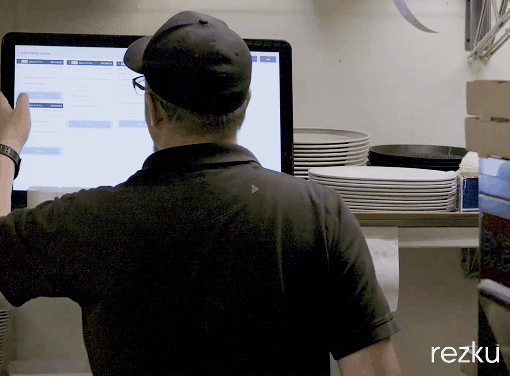
Solution: Use Technology to Reduce Friction, Not Add Complexity
Modern restaurant technology should:
-
Speed up ordering and payments
-
Reduce manual work for staff
-
Give owners better data without more spreadsheets
When technology supports the operation instead of complicating it, service improves without burning out staff.
Problem #7: Weak Visibility and Inconsistent Demand
Even well-run restaurants fail when demand isn’t steady.
Relying only on walk-ins or word of mouth leaves you vulnerable to slow seasons, weather, and competition.
Solution: Control Demand with Local Visibility and Retention
Restaurants that survive long-term:
-
Maintain accurate Google Business profiles
-
Actively manage reviews
-
Encourage repeat visits through loyalty and direct marketing
-
Drive traffic to owned channels instead of third-party marketplaces
Consistent demand stabilizes everything else—staffing, inventory, and cash flow.
How Rezku Helps Restaurants Avoid These Closure Triggers
Rezku was built around the real operational risks that close restaurants—not generic POS features.
By combining:
-
Fast, table-side ordering and payments
-
Commission-free online ordering
-
Built-in marketing and loyalty tools
-
Actionable reporting on sales and menu performance
Rezku helps independent restaurants:
-
Improve table turns
-
Keep more revenue in-house
-
Create repeat guests automatically
-
Make smarter decisions with real data
Technology doesn’t save restaurants—but the right systems reduce the pressure that causes them to fail.
Frequently Asked Questions
How long does it usually take for a restaurant to fail?
Most closures happen within the first 3–5 years, especially when cash flow and operational issues go unaddressed early.
Is bad food the main reason restaurants close?
No. Research consistently shows that financial mismanagement, operational inefficiencies, and lack of adaptation are far more common causes.
What’s the fastest way to improve restaurant survival odds?
Gaining visibility into costs, standardizing operations, and stabilizing demand through repeat customers.
Can a POS system really help prevent failure?
A modern POS helps by exposing problems early—labor overruns, menu underperformance, slow service—before they become fatal.
What should a new restaurant owner focus on first?
Cash flow visibility, operational consistency, and local discoverability. Everything else builds on those foundations.
Is Rezku the POS system you’ve been searching for?
Get a custom quote and start your free trial today.
Related Posts