How to plan a restaurant soft opening

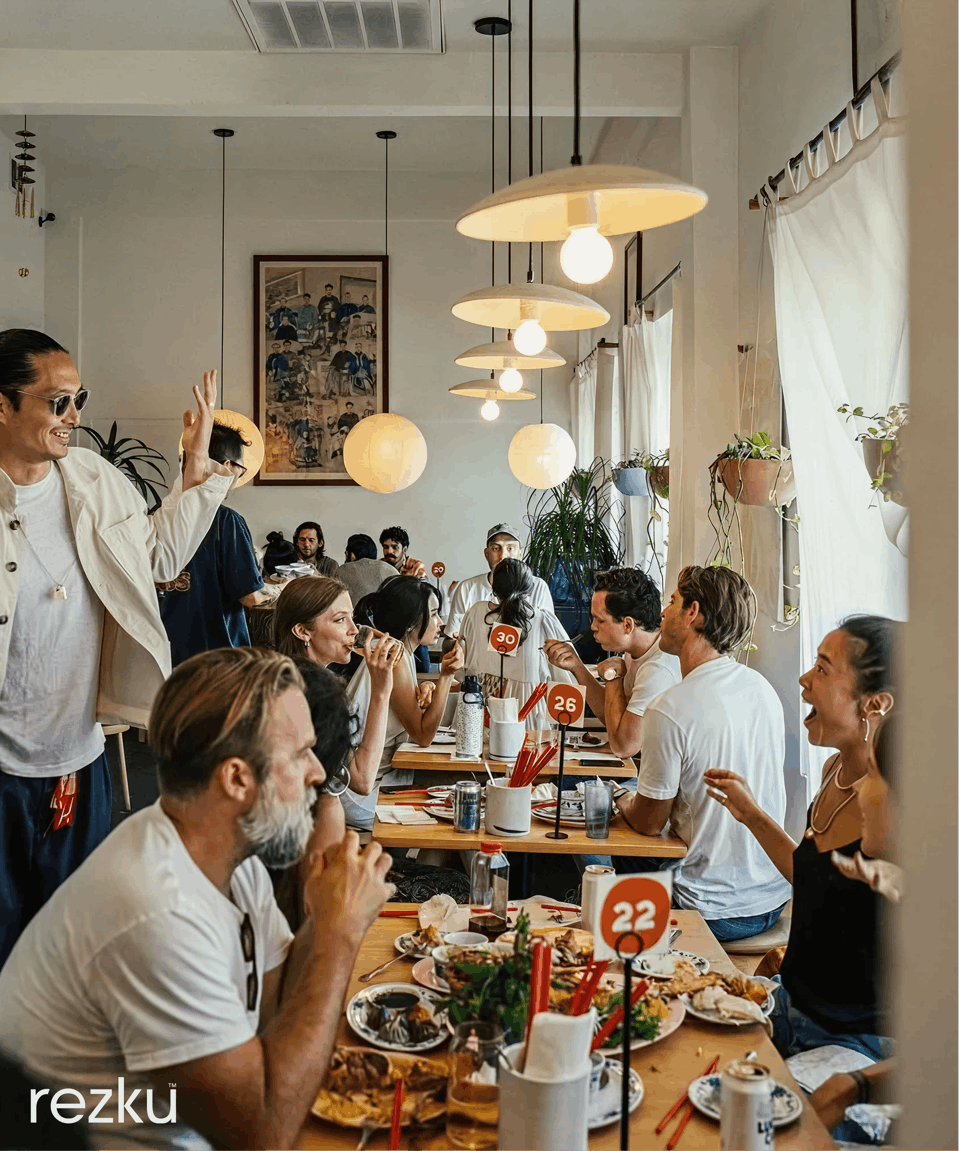
How to Plan a Restaurant Soft Opening That Sets You Up for Success
You’ve poured your heart, soul, and probably every cent you have into this restaurant. The lease is signed, the kitchen’s equipped, your staff is hired, and opening day is circled on the calendar. Now comes one of the smartest moves you can make before you flip that “Open” sign: the soft opening. If you’ve worked in this industry for any length of time, you know that opening night can be chaos even when everything goes right. A soft opening—sometimes called a soft launch—gives you the chance to work out the kinks, train your team under real conditions, and make sure your operation runs smoothly before the world shows up at your door.
What Is a Restaurant Soft Opening?
A soft opening is essentially your dress rehearsal. It’s an invite-only event (or series of events) where you open your doors to a limited number of guests—usually friends, family, local influencers, and select members of your community—before your official grand opening. Think of it as your chance to test everything in a controlled environment where the stakes are lower and the guests are more forgiving. Unlike your grand opening, which is all about creating buzz and drawing crowds, a soft opening focuses on refinement. You’re testing your menu, training your staff, evaluating your workflow, and identifying problems before they become disasters in front of paying customers who found you on Google.
Why Every Restaurant Should Do a Soft Opening
Look, we all want to believe our restaurant will run like a well-oiled machine from day one. But anyone who’s spent time in the kitchen or on the floor knows that theory and reality are two very different things.
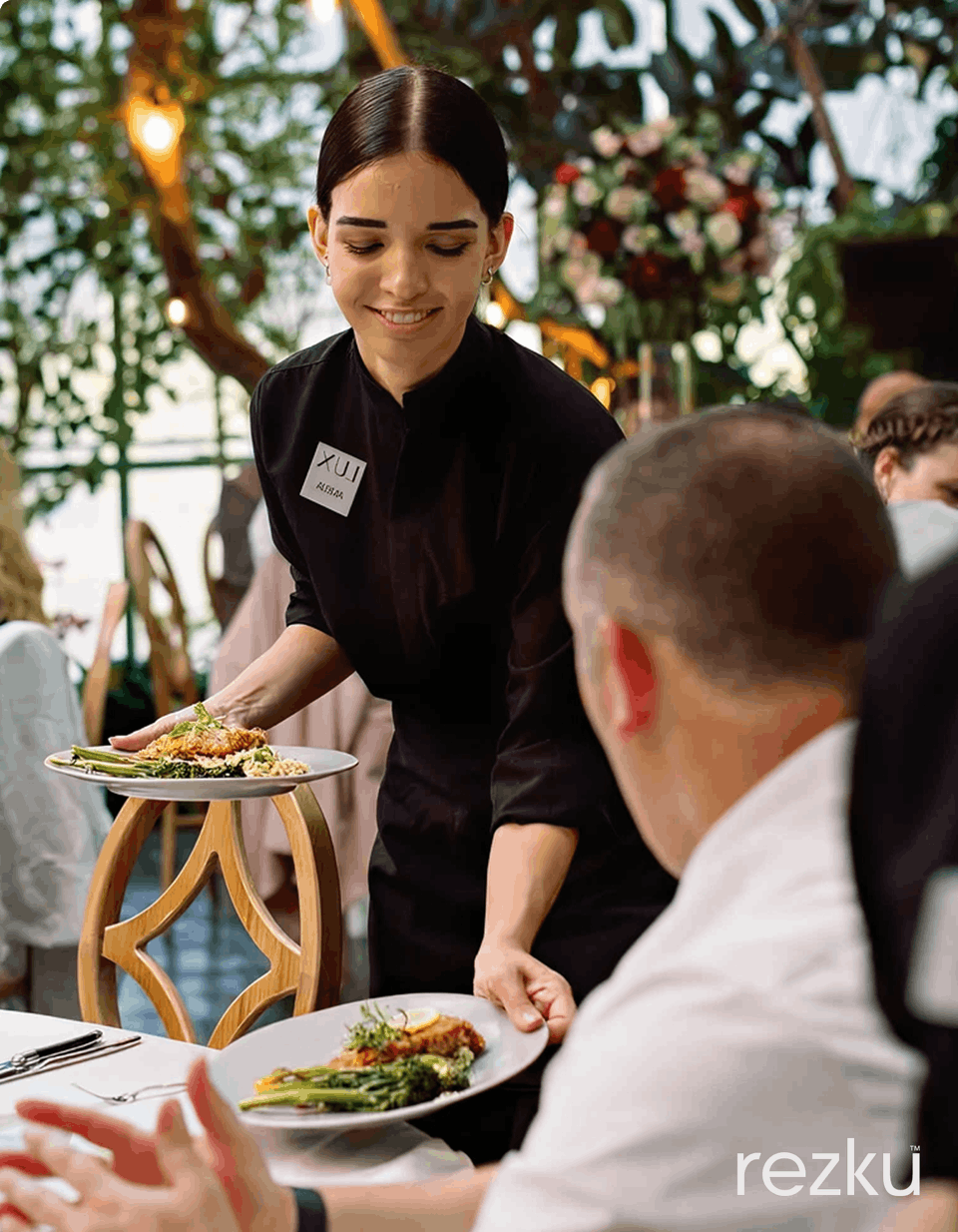
Practice under pressure. Your team might know the menu backward and forward during training, but it’s a whole different ballgame when tickets start printing and tables fill up. A soft opening gives everyone—from your expeditor to your newest server—the chance to work through the real rhythm of service without the pressure of opening night.
Get honest feedback. You need to know if that signature dish actually lands the way you think it does. You need to know if your pacing is off, if the lighting’s too dim, or if customers can’t figure out where the bathrooms are. A soft opening with the right guests will give you constructive criticism you can actually use.
Test your systems. Make sure you’ve built your menu correctly in your POS system, but take notes during service. Servers will quickly let you know about missing modifiers, items that aren’t printing to the right kitchen station, or timing issues you didn’t anticipate. This is when you battle-test your technology stack—your point of sale, kitchen display systems, reservation management, everything. Better to discover a printer malfunction in front of 30 invited guests than 150 strangers.
Build anticipation. When you invite the right people—local food bloggers, community leaders, potential regulars—and give them a great experience, they’ll talk. Word of mouth is still the most powerful marketing tool in this business, and a successful soft opening can create genuine buzz heading into your grand opening.
The Right Mindset: It’s a Learning Opportunity, Not a Perfect Event
Here’s the thing about soft openings that trips up a lot of first-time owners: you’re not trying to be perfect. You’re trying to find your problems while there’s still time to fix them. Go into this expecting things to go wrong. Your kitchen will get slammed. Someone will order something you didn’t anticipate. Your bartender will realize you’re out of a key ingredient. A ticket will get lost. These are features of a soft opening, not bugs. The goal isn’t to impress everyone (though you should still strive for excellence). The goal is to learn, adapt, and improve. Keep a notebook on you at all times. Encourage your staff to do the same. Create an environment where people feel comfortable saying “this isn’t working” without fear.
Planning Your Soft Opening: A Practical Checklist
Set your date strategically. Most restaurants schedule their soft opening one to two weeks before the grand opening. This gives you enough time to implement changes but keeps the momentum going. Any longer and your buzz fades; any shorter and you won’t have time to make meaningful adjustments. Decide on your format. You have options here. Some restaurants do one big event. Others spread it over several days or evenings, which lets you test different aspects of your operation and work around guests’ schedules. Multiple soft openings also reduce stress on your team and give you more data points for improvement.
Choose your guest list carefully. Invite people who will give you honest, useful feedback. Yes, include family and close friends for support, but also invite people in the industry, local influencers who understand restaurants, and a few potential regular customers. Mix in some people who don’t know you personally—they’ll be more candid about what needs work.
Aim for enough guests to create a realistic service environment. If you normally expect to serve 100 people during a dinner shift, invite a similar number. Consider staggering arrival times to simulate real-world flow rather than seating everyone at once.
Finalize your menu. You can go with your full menu or offer a limited selection. There’s no wrong answer, but most restaurants find success with a curated menu that highlights signature items and covers all major categories. Your kitchen needs practice on everything, but you also don’t want to overwhelm them during this trial run.
Decide on pricing. You have three common approaches: complimentary (generates the most goodwill but costs the most), discounted (a solid middle ground—maybe 30-50% off), or full price (least expensive for you but doesn’t incentivize attendance as much). Whatever you choose, be transparent about it in your invitations. If you offer free or discounted food, make sure to communicate appropriate tipping expectations to your guests. Your servers are working just as hard as they will during regular service.
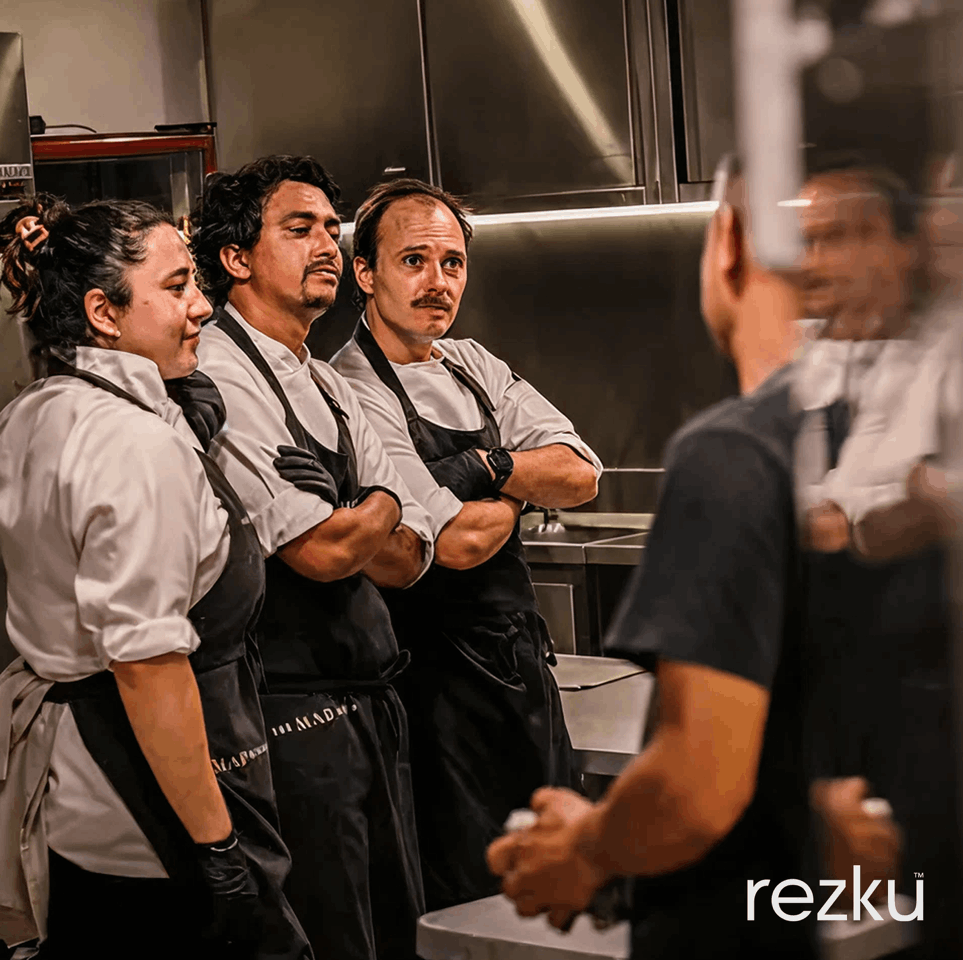
Prepare your team. Hold pre-shift meetings before each soft opening. Walk through the menu together. Do tastings so servers can speak knowledgeably about dishes. Review your service standards, your table-numbering system, your POS workflow. Make sure everyone knows this is a learning experience and that you want their feedback just as much as the guests’.
Set up feedback mechanisms. Don’t leave this to chance. Have comment cards ready, create a simple online survey, or plan to have informal conversations with tables throughout the night. Ask specific questions: How was the pacing? Were dishes at the right temperature? How was the noise level? What would make them want to come back?
During the Soft Opening: What to Watch For
When service starts, you’ll need to be everywhere at once—but that’s exactly the point. Here’s what to pay attention to:
Kitchen operations. Is the line organized? Are ticket times reasonable? Which dishes are slowing everything down? Are your cooks communicating effectively? This is your chance to identify bottlenecks before they become chronic problems.
Front of house flow. Are server stations stocked correctly? Is there confusion about sections or table numbers? How’s communication between front and back? Are guests waiting too long to be greeted, to order, to get food, to pay?
Technology and systems. Are orders going to the right printers? Is your POS intuitive enough that servers can navigate it during the rush? Are there menu items with complicated modifiers that need to be simplified? Is your payment processing working smoothly? The guest experience. Watch how customers interact with your space. Where do they naturally congregate? Can they find the restrooms easily? Is the lighting appropriate? Is it too loud? Can servers hear orders clearly? All these little details matter.
Staff performance. Who’s thriving under pressure? Who needs more support or training? How are different personality types working together? Are there communication gaps you need to address?
After the Soft Opening: Putting Feedback to Work
The soft opening isn’t over when the last guest leaves. In fact, some of the most important work happens after service.
Debrief immediately. While everything’s fresh, gather your team and talk through the night. What went well? What was a disaster? What surprised you? Create a safe space for honest feedback—your dishwasher might have insights your chef missed.
Review all guest feedback. Look for patterns. If three people mention the same issue, it’s not a coincidence. If one person has a unique complaint, use your judgment about whether it’s worth addressing.
Prioritize your changes. You can’t fix everything overnight, nor should you try. Focus on the issues that impact guest experience most significantly or create the biggest operational headaches. Make a plan for implementing changes and stick to it.
Test your adjustments. If you’re doing multiple soft openings, use each one to test your fixes. Revised a menu item? Put it back out there. Changed your table layout? See if it flows better. Treat each event as an iteration toward your final product.
Common Soft Opening Mistakes to Avoid
Inviting too few people. A soft opening with 10 guests won’t stress-test your systems the way you need. You want realistic volume.
Not taking it seriously. Some owners treat the soft opening as just a party. It should be enjoyable, but it’s fundamentally a working event. Stay focused on observation and improvement.
Ignoring staff feedback. Your team is in the trenches. If your servers are telling you the POS workflow is clunky or your cooks are saying a dish takes too long, listen to them.
Making too many menu changes at once. If you revise half your menu between soft openings, you won’t know what’s actually working. Make targeted adjustments and measure their impact.
Skipping it entirely. The most common mistake is not doing a soft opening at all. Yes, it costs money and time. But the alternative—learning everything the hard way during your grand opening—costs far more in reputation and repeat business.
Moving from Soft Opening to Grand Opening Once you’ve gathered feedback, made adjustments, and feel confident in your operation, it’s time to prepare for the main event. Use your soft opening to generate excitement for the grand opening. Let your soft opening guests know when you’re officially launching. Consider offering them an incentive to return and bring friends. Take photos during your soft opening for social media content. Behind-the-scenes shots, happy guests, gorgeous plated dishes—this is all marketing gold for building anticipation. And most importantly, trust the process. A successful soft opening doesn’t guarantee a perfect grand opening, but it dramatically improves your odds of success. You’ve done the work. You’ve learned from your mistakes in a low-stakes environment. Now you’re ready to open your doors to the world with confidence.
Frequently Asked Questions About Restaurant Soft Openings
What’s the difference between a soft opening and a grand opening?
A soft opening is a controlled, invite-only trial run that happens before your restaurant officially opens to the public. It’s designed to test your operations, gather feedback, and work out problems. The focus is on improvement and refinement. A grand opening is your official public launch—it’s all about creating buzz, attracting customers, and celebrating your new business. While you might still encounter issues at a grand opening, the expectation is that your operation should be polished and ready to go because you’ve already tested everything during the soft opening.
How long should a soft opening last?
There’s no one-size-fits-all answer. Some restaurants do a single evening, while others run soft openings over several days or even a couple of weeks. The length depends on your budget, how much testing you need, and how quickly you can implement changes. A good rule of thumb is one to two weeks before your grand opening—long enough to gather meaningful feedback and make adjustments, but short enough that excitement doesn’t fade before your official launch.
Should we charge for meals during a soft opening?
This depends on your goals and budget. Offering free meals generates the most goodwill and encourages honest feedback, but it’s expensive. Discounted pricing (30-50% off) is a popular middle ground—guests appreciate the value, and you offset some costs. Full price is less common but works if you’re confident in your offering and want to test the full customer experience. Whatever you choose, be transparent in your invitations and make sure guests know what to expect regarding tipping (servers should generally be tipped on the full menu value even if the meal is discounted or free).
Who should we invite to a soft opening?
Invite a strategic mix of people. Include friends and family for emotional support, but don’t stop there. Invite industry peers who understand restaurant operations, local food bloggers and influencers, community leaders, neighboring business owners, and some people from your target demographic who don’t know you personally. This variety ensures you get honest, constructive feedback from different perspectives. Aim for enough people to create a realistic service environment—if you typically expect 100 dinner covers, invite a similar number across staggered time slots.
What if things go wrong during the soft opening?
Things will go wrong—that’s the entire point. Embrace it. A soft opening is specifically designed to surface problems while the stakes are still relatively low. If a dish comes out cold, a ticket gets lost, or your POS system glitches, that’s valuable information. What matters is how you respond: stay calm, fix the immediate issue, document what happened, and make a plan to prevent it from happening again. The guests at your soft opening generally understand they’re part of a trial run and will be more forgiving than regular customers—as long as you acknowledge issues and handle them professionally.
How soon before the grand opening should we hold the soft opening?
Most successful restaurants schedule their soft opening one to two weeks before the grand opening. This timing gives you enough runway to implement feedback and make operational changes without rushing, but it’s close enough that momentum and excitement carry through to your official launch. Schedule it too far in advance and your buzz fades. Too close to opening and you won’t have time to make meaningful improvements based on what you learn.
Can we have more than one soft opening?
Absolutely. In fact, multiple soft openings can be beneficial. You can test different aspects of your operation on different nights, adjust based on initial feedback, and see if your changes made a difference. Multiple events also help you work around guests’ schedules and reduce stress on your team. Just be mindful of your budget and timeline—you want to move toward your grand opening with momentum, not drag things out so long that people lose interest.
What’s the most important thing to focus on during a soft opening?
Learning. Yes, you want to provide a good experience, but perfection isn’t the goal—improvement is. Pay attention to everything: kitchen timing, staff communication, guest flow, technology performance, and customer reactions. Take notes constantly. Create an environment where your team feels comfortable pointing out problems. The restaurants that get the most value from soft openings are the ones that treat them as genuine learning opportunities rather than just preview parties.
Is Rezku the POS system you’ve been searching for?
Get a custom quote and start your free trial today.
Related Posts