Restaurant Marketing Ideas & Loyalty Trends for 2026

Creative Restaurant Marketing Ideas & Loyalty Trends for 2026: How independent restaurants attract the right guests—and keep them
Restaurant marketing in 2026 isn’t about being louder. It’s about being intentional.
Most independent operators already know the basics: post on social, keep Google updated, run a promo when things slow down. What’s changed is the margin for error. Rising costs, fragmented attention, and channel overload mean unfocused marketing now creates as many problems as it solves.
The restaurants that win in 2026 won’t be the ones chasing every trend. They’ll be the ones that understand what marketing is actually supposed to do: govern demand, reinforce brand, and convert first-time guests into repeat customers without adding operational drag.
Below are the core marketing problems restaurant owners are trying to solve right now—and the strategies and trends that actually address them.
1. Turning Marketing from “Awareness” into Repeat Visits
Awareness is cheap. Loyalty is hard.
Most restaurants don’t struggle to get seen—they struggle to get guests to come back without relying on discounts that eat margin. In 2026, effective restaurant marketing starts with designing repeat behavior into the system.
That means:
-
Capturing guest data directly
-
Remembering preferences and order history
-
Following up automatically after visits
-
Rewarding frequency, not just spend
POS-connected loyalty tools, like those built into Rezku, allow restaurants to run automated loyalty programs that track visits, trigger rewards, and send targeted offers without staff involvement. The shift here isn’t “run a loyalty program,” it’s make loyalty invisible and automatic.
2. Governing Promotions So They Don’t Break Operations
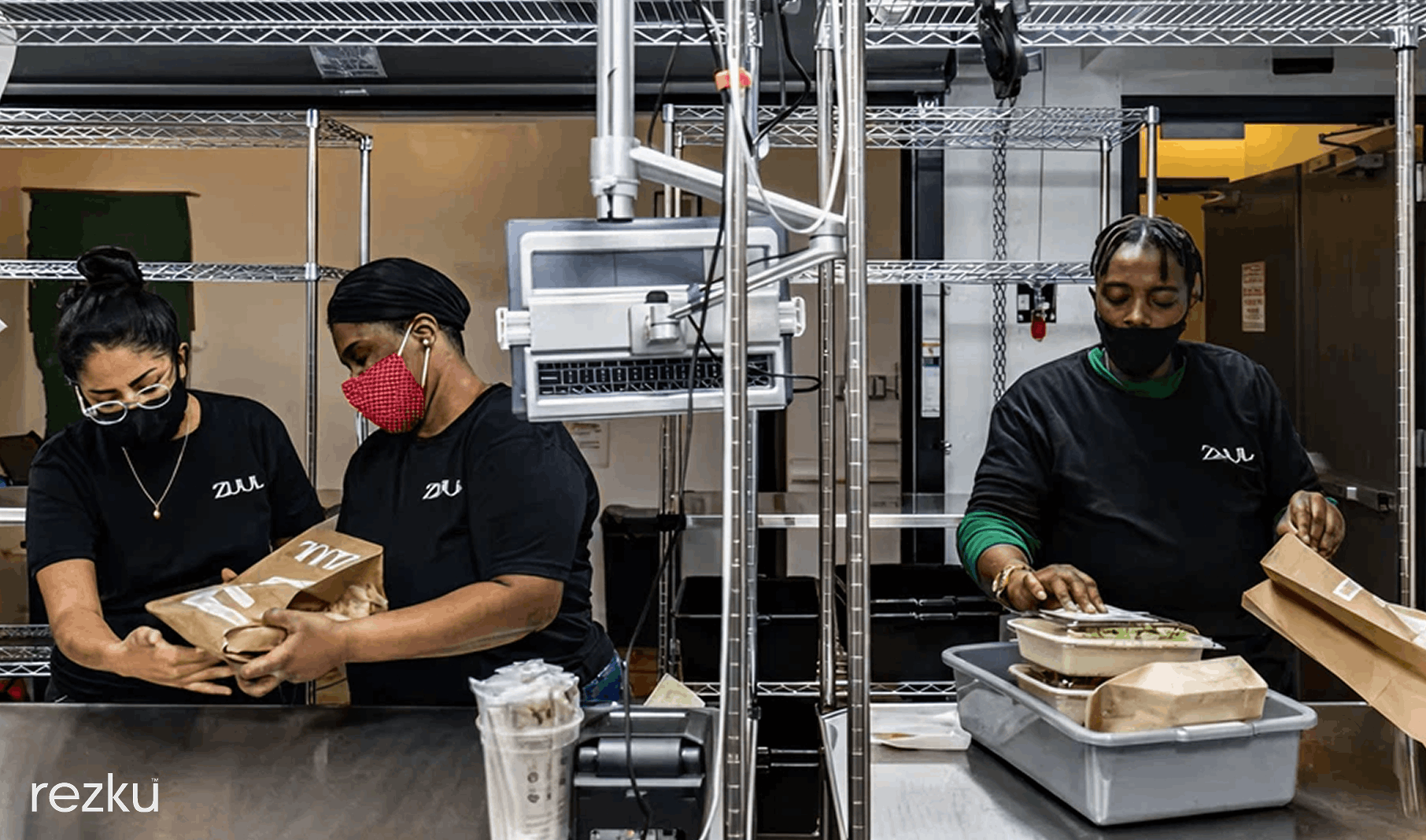
Promotions drive traffic—but unmanaged promotions break kitchens.
One of the biggest marketing mistakes restaurants make is running campaigns that ignore capacity. A great Instagram post doesn’t help if it floods the line at the wrong time or attracts discount-only traffic that never returns.
In 2026, smarter restaurant marketing aligns promotions with:
-
Prep capacity
-
Time of day
-
Order type (dine-in vs pickup vs delivery)
-
Menu items that travel or execute well
Modern platforms let operators control when and how offers are redeemable. Rezku’s POS-driven promotions and online ordering controls make it possible to pace demand instead of reacting to it—marketing as a governor, not a gas pedal.
3. Using Content to Signal Identity, Not Just Food
Guests don’t just choose food—they choose fit.
Short-form video, behind-the-scenes content, staff features, and day-in-the-life posts still matter in 2026, but not for the reasons people think. They aren’t about virality; they’re about pre-qualifying guests.
Restaurants that show:
-
How food is made
-
What the atmosphere actually feels like
-
Who works there
-
How busy or casual it really is
…attract guests who are more likely to enjoy the experience and come back. This reduces friction, bad reviews, and mismatched expectations.
Marketing that filters for the right guests is more powerful than marketing that reaches everyone.
4. Making Local SEO Pull Its Weight
Local search isn’t a tactic—it’s infrastructure.
For restaurants, Google Business Profiles, menus, photos, reviews, and accurate hours still outperform most paid marketing when maintained properly. The difference in 2026 is expectations: guests expect what they see online to match reality.
Strong restaurant marketing includes:
-
Menus that are current and consistent across platforms
-
Photos that reflect actual portions and plating
-
Review responses that show engagement, not defensiveness
When online ordering, menus, and POS data stay in sync—as they do in unified systems like Rezku—operators spend less time fixing mismatches and more time improving visibility where intent already exists.
5. Designing Menus for Marketing, Not Just Operations
Menus are one of the most underutilized marketing tools in a restaurant.
In 2026, digital menus allow restaurants to:
-
Feature top-performing items
-
Highlight limited-time offerings
-
Create bundles and add-ons
-
Adjust presentation by order channel
This isn’t about “pretty menus.” It’s about steering demand toward items that make sense operationally and financially. Rezku’s online ordering and QR menus support upselling logic, featured sections, and visual layouts that help marketing and margins work together instead of fighting each other.
6. Automating Follow-Up So Marketing Actually Happens
Most restaurant marketing fails because it depends on memory.
Owners intend to email guests, run win-back campaigns, or promote new items—but daily operations take over. In 2026, the expectation is automation, not effort.
Effective systems now:
-
Send post-visit follow-ups automatically
-
Trigger offers based on visit frequency or lapse
-
Re-engage guests who haven’t returned in a set window
Rezku’s marketing and loyalty tools use POS data to run these campaigns quietly in the background. The value isn’t sophistication—it’s consistency.
7. Measuring What Moves the Needle (and Ignoring the Rest)
More data doesn’t mean better decisions.
The restaurants succeeding with marketing in 2026 focus on a short list of metrics:
-
Repeat visit rate
-
Offer redemption tied to revenue
-
Average order value by channel
-
Guest lifetime value trends
Because Rezku ties marketing, ordering, and POS data together, operators can see which promotions actually drive return visits—not just clicks or impressions. This keeps marketing grounded in revenue, not vanity metrics.
Frequently Asked Questions
What restaurant marketing strategies work best in 2026?
Strategies focused on repeat visits—automated loyalty, targeted offers, strong local SEO, and consistent digital experiences—outperform one-off promotions or viral attempts.
How can small restaurants build loyalty without big budgets?
By using POS-connected loyalty tools, simple automated follow-ups, and community-based content instead of paid ads.
Is social media still important for restaurants?
Yes, but primarily as a filtering and trust-building tool rather than a pure acquisition channel.
How does POS data help restaurant marketing?
It connects promotions to real behavior, allowing restaurants to personalize offers and measure what actually drives repeat business.
Do loyalty programs still work?
They work when they’re automatic, simple, and tied to visits—not when they rely on punch cards or manual tracking.
Final Thought
Restaurant marketing in 2026 is less about creativity and more about alignment. When promotions, menus, loyalty, and ordering all pull in the same direction, growth becomes predictable instead of exhausting.
The operators who win won’t market more—they’ll market with control.
Is Rezku the POS system you’ve been searching for?
Get a custom quote and start your free trial today.
Related Posts